Leaving Room to Think: Ending a UK Aesthetic Consultation Without Booking

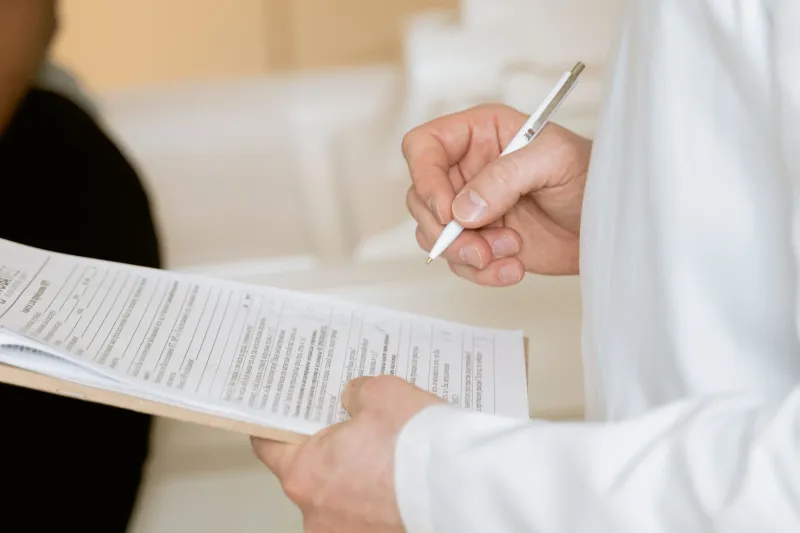
Photo: woman leaving aesthetic clinic reception consultation UK, via cdn.pixabay.com
Aesthetic consultations are often framed as the first step towards treatment, but they are also a opportunity to gather information. You are entitled to hear the clinician’s assessment, ask about risks and costs, and then go home to consider it. In the UK, where clinics range from single-practitioner rooms to larger chains, the quality of a consultation is not measured by whether you book on the day. It is measured by whether you leave better informed than you arrived.
Choosing to pause is not indecision. It is part of informed consent. A clinic that understands this will make the exit easy. One that resists it is giving you useful information about how it may behave later.
Why the same-day booking pressure deserves scrutiny
Many reputable clinics will offer you an appointment before you leave, and there is nothing inherently wrong with that. Convenience is not coercion. The distinction lies in how the offer is made. If the clinician presents a written plan, explains the alternatives, confirms the price and then asks whether you would like to book, you are being given a choice. If the room becomes tense when you say you need time, the consultation has shifted from clinical discussion to sales negotiation.
Aesthetic treatments are elective, often expensive, and sometimes iterative. A decision made in a hurry is rarely the best one. The journey home, a night’s sleep and a conversation with someone you trust can reveal doubts that were not obvious under clinic lighting. Treat that thinking time as a legitimate part of the process rather than a hurdle to clear.
Polite phrases that close the conversation without closing the door
You do not need a lengthy justification. A short, calm sentence is usually enough, and it keeps the exchange courteous.
“Thank you, I found that helpful. I’m not going to book today, but I’d like to think it over at home.”
“Could you email the treatment plan and price so I can review it properly? I’ll come back to you if I’d like to proceed.”
“I’m not ready to leave a deposit today. I’d rather make sure the timing and aftercare fit my schedule first.”
“I appreciate the offer, but I don’t make treatment decisions on the day. Please send the information across.”
If you feel pressed, repetition is effective: “I understand, but I’m still not booking today.” You do not have to explain your finances, your family, your work calendar or your nerves. A simple refusal is sufficient.
Red flags in the room
Pressure can be subtle. Watch for a consultation that rushes through risks, avoids written information, or treats your questions as obstacles. Be cautious if a discount is available only if you commit immediately, if a deposit is demanded before you have seen a treatment plan, or if the clinician cannot explain their registration and qualifications clearly.
Other warning signs include being discouraged from speaking to a GP, being told that waiting will make treatment less effective without a clinical reason, or being offered finance before the total cost has been set out. None of these behaviours automatically makes a clinic unsafe, but together they suggest a commercial urgency that may not serve your interests.
A good clinic will also be comfortable with you seeking a second opinion. Aesthetic practice is not an emergency service. There should be no penalty for caution.
Deposits, cooling-off and paperwork
Before you leave, ask for the treatment plan, the full price, the cancellation terms and the deposit policy in writing. A deposit may be non-refundable, but the terms should be clear before you pay. Ask whether the deposit is transferable, how much notice is required to change an appointment, and what happens if you decide not to proceed after paying.
In the UK, consumer rights depend on how and where the contract is made and on whether the service has begun. Do not assume that a cooling-off period applies simply because a clinic mentions one, and do not assume it does not. Ask the clinic to state its policy plainly. If finance or a credit agreement is involved, ask for the separate paperwork and read it away from the desk. You are entitled to take documents home.
The journey home is part of the decision
Use the time after the appointment deliberately. Write down what you remember about the risks, the downtime, the aftercare and the total cost. Check whether the clinician’s registration matches the treatment they are offering. Consider whether the clinic’s answer to your pause felt respectful. If you felt rushed in the room, you may feel rushed after treatment too.
A clinic that handles your polite exit well is often showing you its working style. It is telling you that it can tolerate questions, that it does not rely on pressure, and that it sees you as a patient rather than a same-day sale. That is a better indicator of care than a glossy reception area or a limited-time offer.
You can always book later. You cannot always undo a decision made under pressure. Leaving room to think is not a rejection of the clinic; it is a reasonable part of looking after yourself.