The Pre-Treatment Numb: A UK Guide to Anaesthetic Creams Used at Home
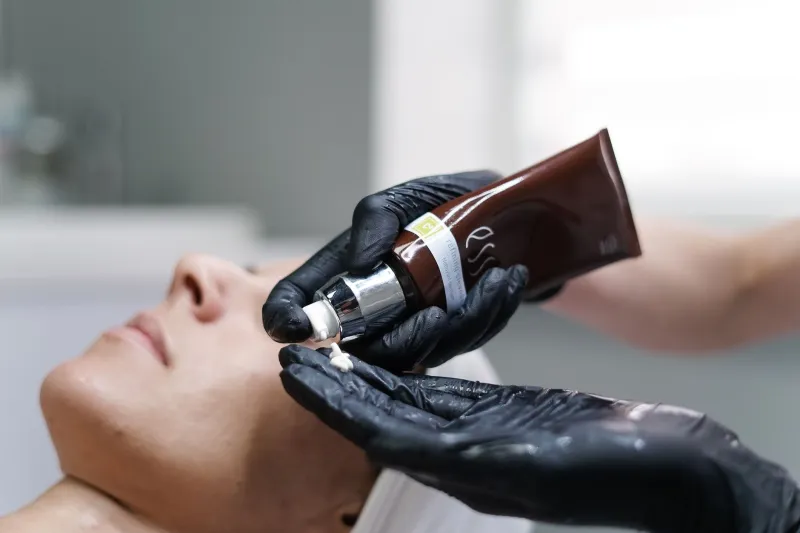
Numbing cream can seem like the simplest part of an aesthetic appointment: apply before you leave, arrive comfortable, and let the clinic take over. In practice, at-home anaesthetic creams are medicines, not skincare. Their effect depends on the product, the strength, the area treated, the timing and the condition of the skin. When a UK clinic asks you to use one before a procedure, the useful starting point is not a forum thread or a viral video but the clinic’s written instruction.
Why clinics ask you to arrive numb
Comfort is the main reason. Injectables, laser treatments and microneedling can all produce sensation, and a topical anaesthetic may take the edge off before the first pass. Some clinics supply a product; others ask patients to buy one in advance. Not every procedure needs numbing cream, and not every clinic uses it in the same way. A short, clear instruction from the treating clinic is more relevant than a generic routine copied from someone having a different treatment on a different part of the body.
Strength is not a detail
In the UK, topical anaesthetic creams are not all equivalent. Lower-strength lidocaine products may be available through pharmacies for minor procedures, while higher-strength preparations are prescription-only or supplied as unlicensed specials for specific clinical use. The distinction matters because absorption rises with strength, surface area, occlusion and the condition of the skin. A product bought from an unregulated website may not be what its label claims, and a product passed on by a friend is not a safe shortcut.
If your clinic provides a cream, use that product and that instruction. If the clinic asks you to buy one, confirm the exact name, strength and timing. Do not substitute a stronger product because you are worried about pain, and do not layer several numbing products together. More is not more effective; it is more exposure.
The timing trap
Applying too early can mean the effect has faded by the time treatment begins. Applying too late can mean the skin has not had enough time to respond. Instructions vary by product, but many creams need to be applied to intact skin for a set period before the appointment. Occlusion, such as cling film or a dressing, can increase absorption and should only be used if the clinic has specifically told you to do so.
A thin, even layer over the correct area is usually the aim. Avoid eyes, lips, mucous membranes, broken skin and areas affected by infection, eczema or psoriasis unless the clinic has given specific advice. Wash your hands afterwards, and keep the product away from children.
Patch tests have limits
A small patch test before the appointment can help identify some allergic reactions, but it cannot predict every response. It will not tell you how much anaesthetic will be absorbed during treatment, how the skin will behave under occlusion, or whether the cream will irritate a compromised barrier. If you have reacted to lidocaine, prilocaine or another anaesthetic before, tell the clinic before you apply anything. Signs such as widespread rash, facial swelling or difficulty breathing need urgent medical attention.
Over-application and systemic risk
Topical anaesthetics are designed for limited use. Applying a high-strength product to a large area, wrapping it tightly, using it on damaged skin or adding heat can increase the amount absorbed into the bloodstream. Symptoms of anaesthetic toxicity can include dizziness, ringing in the ears, a metallic taste, numbness around the mouth, confusion or seizures. These are uncommon, but they are the reason clinics give measured instructions rather than general encouragement to use “enough” cream.
Do not use numbing cream on skin that is sunburnt, scratched, inflamed or recently treated with an active ingredient that has left it raw. Do not combine it with other anaesthetic products unless the clinic has approved this. If you are pregnant, breastfeeding, have liver or kidney concerns, or take regular medication, mention this before applying anything; the clinic can decide whether the product is appropriate.
What to tell the clinic
Before the appointment, be ready to confirm the product name, the strength, the time you applied it and the area covered. Bring the packaging if you are unsure. Tell the clinic about allergies, skin conditions, recent cosmetic treatments and any medication that affects bleeding or healing. If you have been asked to use a cream but the instruction is unclear, contact the clinic rather than guessing. A brief phone call before treatment is less disruptive than a cancelled appointment or an avoidable reaction.
A practical checklist before you apply
- Confirm in writing which product, strength and timing the clinic expects.
- Check that the product is in date and has been stored correctly.
- Apply only to intact skin, and only to the area the clinic has specified.
- Do not occlude, warm or extend the treatment area unless instructed.
- Do not use leftover cream from a previous procedure or a product bought second-hand.
- Know the warning signs that mean you should stop and seek advice.
Numbing cream should be treated as part of the clinical plan, not as an optional extra in a beauty routine. The clinic’s instruction is the relevant one; online folklore is not. If the product, the timing or the area is uncertain, pause and ask. Comfort is worth planning for, but it is not worth improvising with a medicine.