Beneath the Beard: Planning UK Facial Treatments Around Facial Hair

Photo: bearded man skincare consultation UK aesthetic clinic close up, via www.digitalmomblog.com
Facial hair is often treated as an afterthought in skincare advice, yet it changes both how skin behaves and how clinics plan treatment. For UK readers who wear a beard, moustache or stubble, the question before a facial, peel or injectable appointment is rarely whether to shave it off. It is how to present healthy skin beneath and around the hair, and how to recognise when a persistent bump deserves a proper clinical look rather than another scrub.
This guide offers general information, not a diagnosis or a substitute for advice from a qualified practitioner. Where skin is inflamed, painful or changing, a GP or pharmacist is the appropriate first stop.
The skin beneath the beard is still skin
A beard does not create a separate skin type. It does, however, reduce direct visibility and can trap sebum, sweat and dead skin cells close to the surface. That does not mean facial hair is inherently unhygienic. It means the skin underneath benefits from the same calm routine as the rest of the face: gentle cleansing, adequate moisturising and daily sun protection.
Wash the beard area with a mild cleanser rather than a strongly fragranced shower gel, and rinse thoroughly. Moisturise the skin at the edges of the beard and, if the hair itself feels coarse, use a simple beard oil or conditioner as a grooming product rather than a medical treatment. Avoid aggressive weekly scrubs. Friction and over-exfoliation can irritate the follicle openings and make shaving or trimming more uncomfortable.
For men who shave, the neck and jawline often need more attention than the beard itself. A clean razor, a lubricating product and a technique that does not repeatedly drag over the same spot will do more than a high-strength exfoliant.
Shaving bumps, ingrown hairs and folliculitis
Shaving irritation is common, particularly in people with curly hair. Small bumps along the jawline or neck may be pseudofolliculitis barbae, often called razor bumps. Hair curls back into the skin, causing redness and small papules. It is not an infection in every case, but it can be persistent and uncomfortable.
Beard folliculitis is different. It is inflammation of the hair follicle and may be bacterial or fungal. It can appear as tender red bumps or pustules around the hair openings, sometimes with itching or soreness. Not every spot in a beard is folliculitis, and not every case needs an antibiotic. That is why a proper look matters.
If spots are spreading, very painful, producing pus, or accompanied by fever or feeling unwell, seek advice from a GP or NHS service. A high street pharmacist can advise on mild, localised irritation, but recurrent or severe folliculitis should be assessed. Cosmetic clinics should not treat over an active infection. Picking, squeezing or applying strong acids to inflamed follicles can worsen scarring and delay resolution.
What to tell a UK clinic before treatment
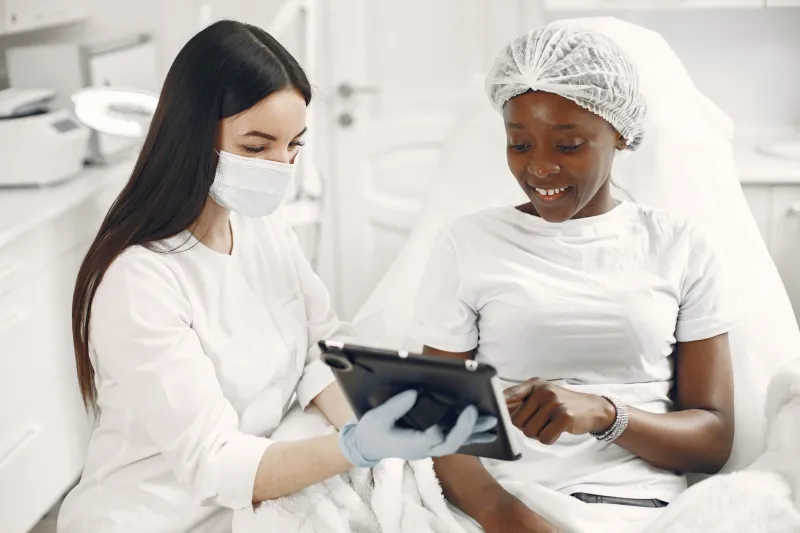
Ask the clinic directly whether it needs you clean-shaven. Many facials and superficial peels can be adapted around facial hair, but the answer depends on the treatment, the practitioner and the condition of the skin. Do not assume that shaving is expected, and do not shave closely the night before simply to be polite.
Disclose recent shaving, waxing or trimming, a history of ingrown hairs or folliculitis, and any current acne, eczema or psoriasis in the beard area. Mention prescription retinoids, acids, antibiotics or other medicines that affect the skin. If you have an active outbreak of tender pustules, the clinic may prefer to reschedule rather than treat through it.
For injectables, the practitioner needs to see facial landmarks and prepare the skin properly. Facial hair can usually be parted or trimmed, but a dense beard may obscure the area and trap product or bacteria. A clinic may ask you to trim rather than shave. That request is reasonable; a close shave immediately before an appointment is not always helpful.
What practitioners can and cannot work around
Facials are the most adaptable. Cleansing, masks and massage can often be performed around a beard, although massage may be limited where hair is dense. Peels require more uniform application, so a practitioner may tailor the product to the beard area or avoid it if the skin is irritated. Injectables can be given around facial hair, but not through active infection or an undiagnosed rash. No practitioner can reliably assess a new, fixed or bleeding lesion that is hidden by hair; if something feels unusual, ask your GP.
What a clinic cannot do is guarantee a result when the skin beneath the hair is inflamed, freshly shaved raw or affected by an untreated folliculitis. Good cosmetic care starts with skin that is calm enough to treat.
Preparing without defaulting to the razor
In the week before an appointment, avoid introducing new scrubs, essential oils or high-strength actives to the beard area. If the clinic has asked for trimming, use a clean trimmer and leave enough length for the practitioner to work safely. Do not shave closely in the 24 to 48 hours before a facial or peel unless the clinic has specifically advised it; microcuts can sting and increase the risk of irritation.
On the day, cleanse gently, avoid heavy occlusive products and arrive with a short list of questions. Ask what the clinic recommends for shaving afterwards, how long to wait, and what signs would prompt a call back.
Aftercare around facial hair
Follow the clinic's written aftercare. In general, gentle cleansing, a plain moisturiser and daily SPF are more useful than a complicated routine. Avoid fragranced products and do not shave over treated skin until you have been told it is safe, often at least 24 to 48 hours after a facial or peel. After injectables, follow the specific advice given about rubbing, heat and exercise.
Keep the beard clean and resist picking at bumps. If redness, tenderness or pustules worsen after treatment, contact the clinic or your GP rather than treating it with another exfoliant.
A short checklist
- Ask the clinic about its policy on facial hair before booking.
- Disclose folliculitis, ingrown hairs and recent shaving or waxing.
- Pause harsh scrubs and new actives in the days before treatment.
- Trim only if asked; do not default to a close shave.
- Treat active infection before cosmetic treatment.
- Use a clean razor or trimmer and keep aftercare simple.
At DermaSkin Beauty, the aim is informed care rather than a rush to the treatment room. A beard is not a barrier to good skincare, but it does deserve a proper plan.